


+86-571-63780050
+86-18918137728
19941084290
Content
- 1 The Role of Display Glass in Museum Environments
- 2 What Is Laminated Glass and How It Works
- 3 Enhanced Safety for Visitors and Staff
- 4 Improved Protection Against Impact and Vandalism
- 5 UV Protection for Artifact Preservation
- 6 Acoustic and Environmental Benefits
- 7 Comparison of Laminated Glass and Other Display Glass Options
- 8 Design Flexibility and Visual Clarity
- 9 Common Applications in Museums
- 10 Why Laminated Glass Remains the Preferred Choice
The Role of Display Glass in Museum Environments
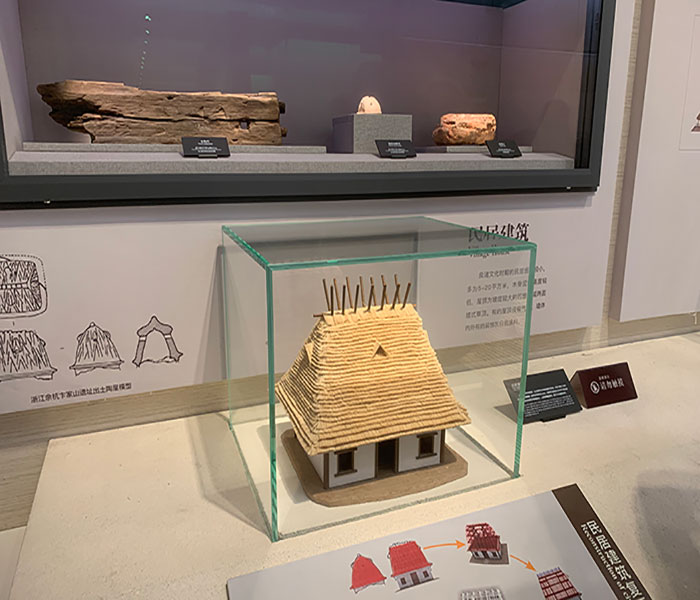
Museum display glass plays a critical role in balancing artifact protection, visitor safety, and visual clarity. Exhibits often contain irreplaceable cultural relics, artworks, and historical objects that must be protected from physical impact, vandalism, and environmental risks. At the same time, museums aim to provide unobstructed viewing experiences. Laminated glass has become widely used in museum display cases, showcases, and partitions because it effectively addresses these combined requirements.
What Is Laminated Glass and How It Works
Laminated glass consists of two or more glass layers bonded together with an interlayer, commonly made of polyvinyl butyral or similar materials. When subjected to impact, the glass layers may crack, but the interlayer holds the fragments in place. This structural behavior distinguishes laminated glass from monolithic glass and makes it particularly suitable for museum display applications where safety and integrity are essential.
Enhanced Safety for Visitors and Staff
Visitor safety is a primary concern in public exhibition spaces. Laminated glass reduces the risk of injury by preventing glass shards from falling or scattering if breakage occurs. This characteristic is especially important for freestanding display cases, large vertical panels, and areas with high visitor traffic.
- Glass fragments remain adhered to the interlayer after impact.
- Reduced likelihood of sharp debris in public areas.
- Improved structural stability for large display panels.
Improved Protection Against Impact and Vandalism
Museums must account for accidental impacts as well as intentional damage. Laminated glass provides higher resistance to penetration compared to standard glass, making it more difficult to break through. This added security layer helps protect valuable exhibits without the need for visually intrusive barriers.
For high-value or sensitive exhibits, laminated glass can be combined with increased thickness or specialized interlayers to further enhance resistance to forced entry.
UV Protection for Artifact Preservation
Ultraviolet radiation is a major factor in the degradation of textiles, paper, pigments, and organic materials. Laminated glass naturally blocks a significant portion of UV radiation due to the interlayer, helping slow the aging process of displayed objects.
- Reduction of UV exposure without darkening the display.
- Support for long-term conservation of light-sensitive materials.
- Compatibility with additional low-iron or coated glass options.
Acoustic and Environmental Benefits
Beyond physical protection, laminated glass contributes to improved acoustic performance in exhibition spaces. The interlayer dampens sound transmission, which can be beneficial in busy galleries or interactive exhibits. In enclosed display cases, laminated glass also supports more stable internal environments by reducing air exchange and vibration.
Comparison of Laminated Glass and Other Display Glass Options
| Glass Type | Safety Performance | Suitability for Museums |
| Monolithic Glass | Breaks into sharp fragments | Limited, higher risk |
| Tempered Glass | Shatters into small pieces | Better safety, limited retention |
| Laminated Glass | Fragments held in place | Widely used for displays |
Design Flexibility and Visual Clarity
Modern laminated glass solutions offer high transparency and low optical distortion, which is essential for museum displays. Low-iron laminated glass further improves color accuracy, allowing visitors to view artifacts as intended. Laminated glass can also be fabricated in various shapes and sizes, supporting customized display case designs.
Common Applications in Museums
- Display cases for artifacts, manuscripts, and sculptures.
- Protective glazing for wall-mounted exhibits.
- Glass barriers and partitions in exhibition halls.
- High-security showcases for rare or valuable objects.
Why Laminated Glass Remains the Preferred Choice
Laminated glass continues to be widely used in museum display applications because it delivers a balanced combination of safety, security, conservation support, and visual performance. Its ability to protect both people and artifacts, while maintaining a clean and open presentation, aligns closely with modern museum design and preservation standards.
