

+86-571-63780050
+86-18918137728
19941084290
Content
Introduction
Display cases are essential for showcasing valuable collections, whether in museums, galleries, or high-end retail environments. One of the key challenges is balancing protection with visibility. Low-reflective glass provides a solution by minimizing glare while maintaining clear visibility, allowing viewers to fully appreciate the collection without compromising safety.
Understanding Low-Reflective Glass
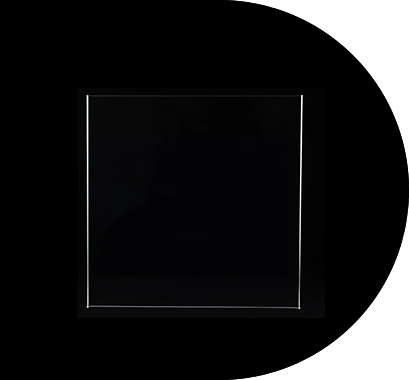
Low-reflective glass is designed with coatings that reduce reflections from ambient light sources. This feature enhances the visual clarity of items inside display cases, making colors, textures, and fine details more visible. It is often combined with tempered or laminated glass for added strength and security, offering both aesthetic and protective benefits.
Key Features
- Reduced glare from overhead lights and sunlight
- Enhanced transparency for better item visibility
- Compatibility with tempered or laminated glass for durability
- Protection against UV damage for sensitive items
- Long-lasting coatings that maintain clarity over time

Protecting Your Collection
Protection is crucial for valuable or delicate items. Low-reflective glass helps prevent physical damage, environmental hazards, and UV-related degradation. Selecting the right combination of glass type and display case construction ensures that collections are safe from accidental impacts, theft, and harmful light exposure.
Impact and Security Considerations
Tempered low-reflective glass can withstand higher impact forces, reducing the risk of breakage. Laminated options provide additional security by holding glass fragments together if shattered. For high-value collections, integrating locks, reinforced frames, and alarm sensors further enhances security without obstructing visibility.
UV Protection
UV radiation can cause fading and deterioration of sensitive items, including artworks, textiles, and historical artifacts. Low-reflective glass with UV-filtering properties protects these materials while maintaining full visibility. This ensures that colors remain vibrant and textures intact for extended periods.
Maximizing Visibility
Reducing reflections alone is not enough to maximize visibility. Display cases should also incorporate lighting, layout, and viewing angles that enhance the visual experience.
Optimal Lighting
- Use diffused LED lighting to minimize shadows and glare
- Adjust angles to highlight key details without creating reflections
- Consider color temperature to complement the collection’s appearance
Display Layout
- Arrange items with space between them for clear visibility
- Place taller items at the back and shorter items in front
- Orient objects to allow viewers to see important details without obstruction
Maintenance and Cleaning
Maintaining low-reflective glass is important to preserve both clarity and protective features. Avoid abrasive materials and harsh chemicals that can damage coatings. Use soft, lint-free cloths and manufacturer-recommended cleaning solutions to keep glass clear and free of streaks.
Cleaning Tips
- Wipe gently in a circular motion to avoid scratches
- Use mild detergent solutions if necessary
- Clean both interior and exterior surfaces for consistent visibility
- Inspect coatings periodically for wear or damage
Conclusion
Low-reflective glass offers an ideal balance between protecting valuable collections and maximizing their visibility. By combining tempered or laminated structures, UV protection, optimal lighting, and thoughtful display layout, collectors, museums, and retailers can showcase items safely and beautifully. Proper maintenance ensures long-lasting clarity, allowing viewers to fully appreciate every detail without compromising the integrity of the collection.
