

+86-571-63780050
+86-18918137728
19941084290
Content
Introduction to Night Pearl Colored Glass
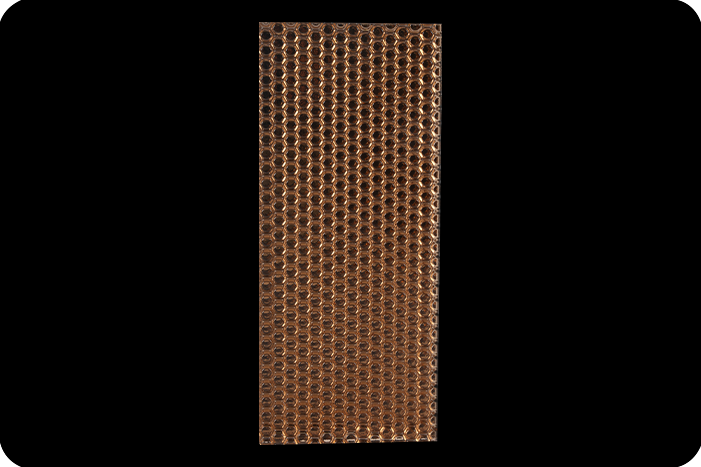
Night Pearl colored glass is a premium decorative glass option used in modern interior design. Its subtle iridescence and sophisticated hue create depth, elegance, and visual interest in walls, partitions, and feature panels. Selecting the right Night Pearl colored glass involves understanding its color properties, finish options, and compatibility with surrounding materials and lighting conditions.
Understanding Color and Light Interaction
The unique visual appeal of Night Pearl colored glass stems from its interaction with light. Depending on natural sunlight or artificial lighting, the glass can appear darker or more luminous, highlighting textures and reflections. When choosing glass for modern interiors, consider how the room’s light sources will enhance or diminish its pearl effect.
Natural Light Considerations
Rooms with abundant natural light can make Night Pearl glass appear brighter and more reflective. In spaces with limited sunlight, selecting a slightly lighter shade can maintain the desired aesthetic and prevent the wall from appearing too dark or muted.
Artificial Light Effects
Artificial lighting, including LED, warm, or cool lights, affects the perception of color and sheen. Designers should test samples under the intended lighting conditions to ensure the glass complements the overall color palette and maintains a consistent tone throughout the space.
Selecting the Right Finish
Night Pearl colored glass is available in various finishes, each influencing the look and feel of the interior. Matte finishes offer a soft, diffused reflection, creating a subtle elegance. Glossy finishes provide a polished and reflective surface, enhancing light play and visual depth. The choice of finish should align with the interior’s style, whether minimalist, luxurious, or contemporary.
- Matte finish: Soft appearance, reduces glare, suitable for cozy or understated designs
- Glossy finish: Reflective and vibrant, ideal for high-end, modern, or commercial interiors
- Frosted or textured finish: Adds visual depth while maintaining privacy or subtlety
Compatibility with Materials and Color Palettes
Choosing Night Pearl colored glass requires careful consideration of complementary materials, such as wood, metal, stone, or painted surfaces. The glass should enhance and contrast appropriately without overpowering other design elements. For modern interiors, pairing Night Pearl glass with neutral tones or metallic accents often creates a balanced and cohesive look.
Neutral Palette Pairing
Soft grays, whites, and beige tones complement Night Pearl colored glass by allowing its subtle shimmer to stand out while maintaining a harmonious modern aesthetic.
Metallic and Accent Combinations
Gold, bronze, or brushed steel accents can enhance the pearl effect, creating a luxurious feel. Careful use of accent colors ensures the glass remains the focal point without appearing mismatched or overwhelming.
Size and Installation Considerations
Night Pearl colored glass panels are available in various sizes and thicknesses. Larger panels provide a seamless, modern look but require precise installation and support structures. Designers should coordinate with installers to ensure proper handling, alignment, and edge finishing. Consideration of expansion, wall support, and accessibility is essential for long-term durability and safety.
Comparison of Glass Types for Modern Interiors
| Glass Type | Visual Effect | Best Application |
| Night Pearl Colored Glass | Subtle iridescence, reflective sheen | Feature walls, kitchens, bathrooms, commercial interiors |
| Clear Glass | Transparent, clean look | Partitions, shelving, minimalist spaces |
| Frosted Glass | Diffused light, soft privacy | Bathrooms, office partitions, decorative panels |
Conclusion
Choosing Night Pearl colored glass for modern interiors requires careful consideration of color, light, finish, and material compatibility. By evaluating natural and artificial lighting conditions, selecting the right finish, and pairing with complementary textures and tones, designers can create sophisticated, cohesive spaces. Proper panel sizing, handling, and installation further ensure the glass retains its aesthetic appeal and functional durability for years to come.
