

+86-571-63780050
+86-18918137728
19941084290
Content
Marble Partition Glass: The Direct Design Solution
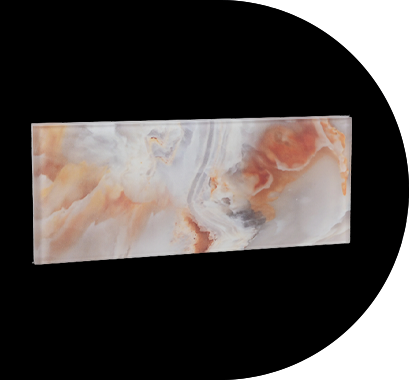
Marble partition glass is widely used in modern interior spaces when a design requires the visual texture of marble combined with the light transmission and spatial openness of glass. Instead of using a full stone wall, marble patterns are integrated into glass panels through lamination, printing, or decorative film processes. This allows designers to divide space while maintaining brightness and visual continuity.
Compared with traditional marble walls that may weigh more than 70–90 kg per square meter, marble partition glass systems typically weigh significantly less while offering easier installation and flexible configuration. This structural advantage explains why the material is commonly used in offices, hotels, showrooms, residential interiors, and commercial spaces.
By combining decorative stone aesthetics with glass performance, marble partition glass allows designers to achieve functional zoning, decorative impact, and natural lighting within the same architectural element.
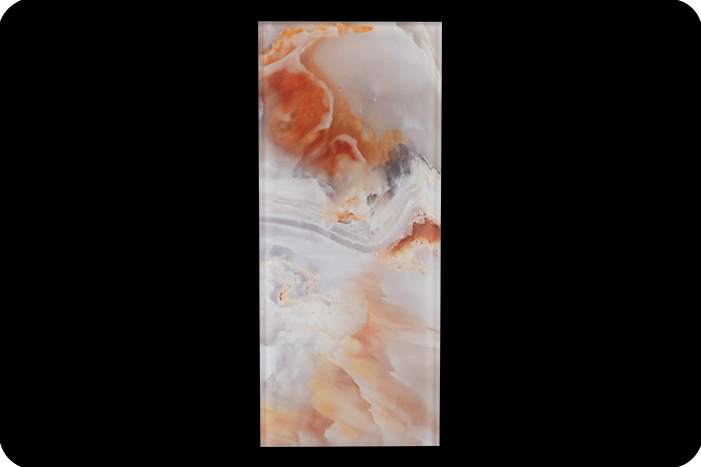
How Marble Patterns Are Integrated Into Glass Panels
The marble effect in marble partition glass is created through several manufacturing methods. Each method affects durability, visual depth, and application scenarios.
Laminated Decorative Glass
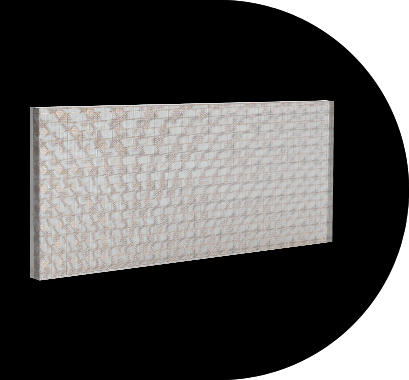
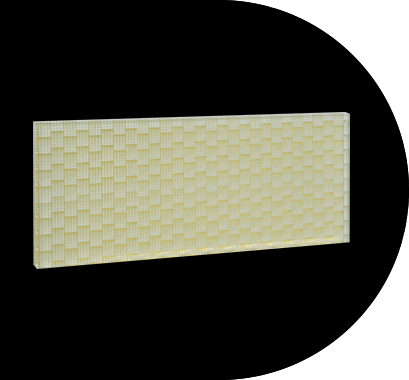
In laminated marble glass, a decorative marble-pattern film or fabric is sealed between two glass panels. The lamination layer protects the pattern from scratches, moisture, and fading. Laminated glass also improves safety because broken fragments remain attached to the interlayer.
Digital Ceramic Printing
Digital printing technology applies ceramic ink onto the glass surface before tempering. During heat treatment, the ink fuses with the glass surface. This process produces durable marble patterns that resist UV exposure and chemical cleaning.
Decorative Marble Film
Decorative film solutions allow marble textures to be applied directly to glass partitions during installation. This method provides flexibility for interior renovations or temporary partitions because the film can be replaced when design requirements change.
Performance Comparison With Traditional Marble Walls
Designers often compare marble partition glass with traditional marble cladding or stone partitions. The differences involve structural weight, light transmission, and installation complexity.
| Feature | Marble Partition Glass | Traditional Marble Wall |
|---|---|---|
| Weight | Approx. 25–35 kg per m² | Approx. 70–90 kg per m² |
| Light Transmission | Partial or adjustable | Opaque |
| Installation | Modular panel installation | Stone cutting and reinforcement |
| Design Flexibility | High | Limited |
Because marble partition glass maintains partial transparency, designers often use it in spaces where natural lighting and visual depth are important architectural goals.
Common Interior Applications
Marble partition glass is used across multiple interior environments where decorative separation is required without completely blocking light.
- Office meeting room partitions that maintain visual privacy while allowing light flow.
- Hotel lobby dividers that combine luxury stone aesthetics with transparent design.
- Residential living room and dining area partitions.
- Retail store decorative walls used to highlight product displays.
- Restaurant interior zoning where lighting atmosphere is important.
For example, many hotel lobby designs use marble-pattern glass panels measuring 2.4–3 meters in height to create visually striking entrance spaces while maintaining spatial openness.
Installation Structures and Framing Options
Marble partition glass panels can be installed using several structural systems depending on the design requirements and load conditions.
Aluminum Frame Systems
Aluminum frames provide structural stability while maintaining a minimal visual profile. Powder-coated or anodized finishes are often selected to match interior color schemes.
Frameless Glass Systems
Frameless installations use concealed floor tracks or point-supported connectors. This design emphasizes the marble pattern and creates a more open visual appearance.
Sliding Partition Structures
Sliding systems allow large marble glass panels to move along overhead rails. These systems are frequently used in multifunctional spaces where room layouts may change throughout the day.
Maintenance and Durability Considerations
Maintenance requirements for marble partition glass are generally lower than for natural stone walls because the glass surface does not absorb moisture or stains.
- Regular cleaning with neutral glass cleaners keeps the surface clear.
- Tempered laminated glass improves impact resistance and safety.
- Protective interlayers prevent fading of decorative marble patterns.
High-quality laminated marble glass panels may maintain their decorative appearance for 10–15 years or longer under normal interior conditions.
