

+86-571-63780050
+86-18918137728
19941084290
Content
- 1 Understanding the Structure of Colorful Laminated Glass
- 2 Performance Advantages in Architectural Applications
- 3 Color Customization and Light Transmission Control
- 4 Typical Applications in Interior and Exterior Design
- 5 Technical Specifications and Processing Options
- 6 Installation Considerations and Long-Term Durability
- 7 Why Colorful Laminated Glass Supports Modern Architectural Design
Understanding the Structure of Colorful Laminated Glass
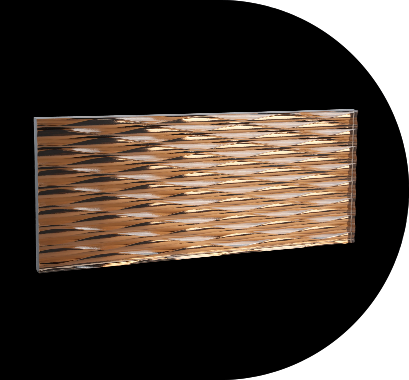
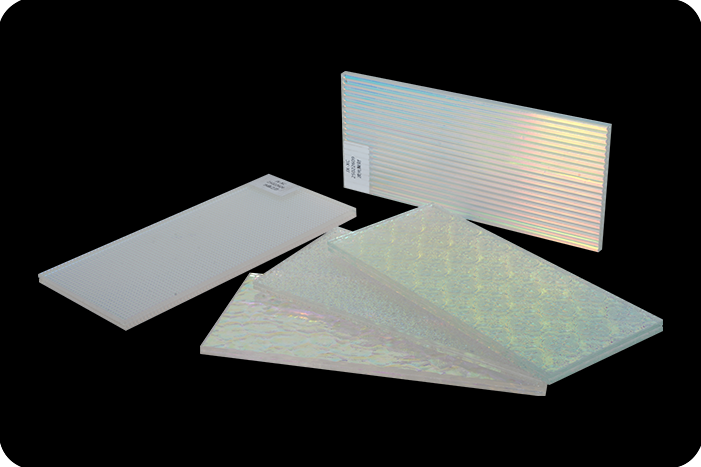
Colorful laminated glass is manufactured by bonding two or more layers of glass with a colored interlayer, typically made from polyvinyl butyral or EVA film. The interlayer is inserted between glass sheets and fused under controlled heat and pressure to create a single, durable glazing unit. The colored layer is not applied as surface paint but embedded within the laminated structure, which protects the pigment from fading, peeling, or external damage.
This construction method enhances both safety and design flexibility. If the glass breaks, fragments adhere to the interlayer, reducing the risk of falling shards. At the same time, architects can introduce precise color tones into façades, partitions, balustrades, or decorative glazing without compromising structural integrity.
Performance Advantages in Architectural Applications
Colorful laminated glass combines aesthetic customization with measurable performance benefits. Unlike standard decorative glass, it provides impact resistance, sound insulation, and UV filtering properties. The interlayer acts as a binding core that improves safety performance while contributing to acoustic damping in enclosed spaces.
- Enhanced safety due to fragment retention after breakage
- Improved acoustic insulation compared to monolithic glass
- Reduction of ultraviolet transmission to protect interiors
- Stable color performance embedded within the laminated layer
These characteristics make the material suitable for commercial buildings, public facilities, educational institutions, and residential projects where both visual identity and compliance with safety standards are required.
Color Customization and Light Transmission Control
Solid and Translucent Color Options
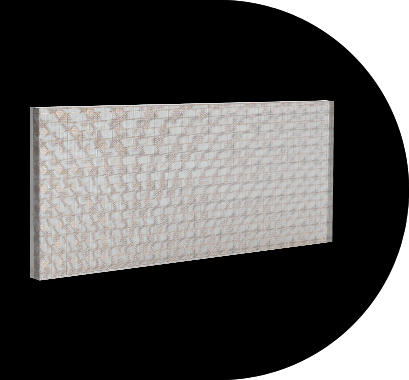
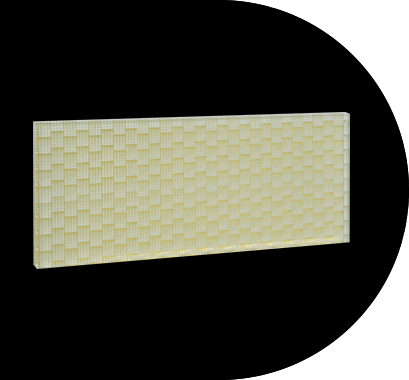
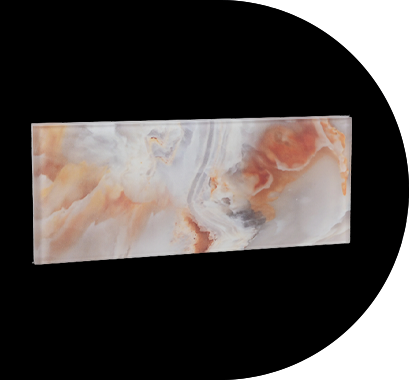
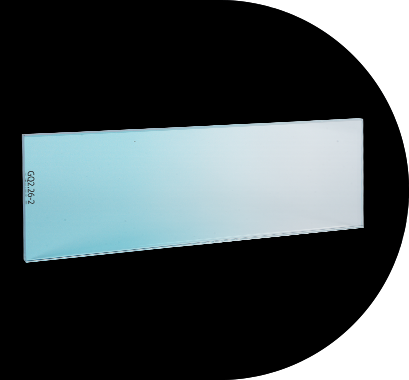
Colorful laminated glass can be produced in a wide range of solid, translucent, or gradient finishes. By adjusting pigment concentration within the interlayer, manufacturers can control opacity levels and light diffusion characteristics. Translucent tones allow natural daylight penetration while maintaining privacy in offices, meeting rooms, or healthcare environments.
Layered Color Combinations
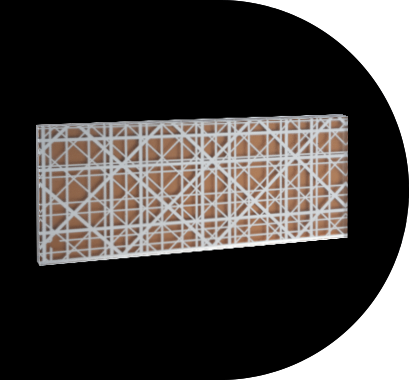
Multiple interlayers can be combined to achieve complex visual effects. For example, stacking two complementary colors creates depth and tonal variation when viewed under different lighting conditions. This layered technique is frequently used in façade systems and artistic installations to produce dynamic visual impressions.
Typical Applications in Interior and Exterior Design
Colorful laminated glass is widely used in both interior and exterior architectural projects. Its ability to integrate structural safety with visual expression supports diverse construction requirements.
- Curtain wall façades with distinctive brand colors
- Glass partitions and office dividers
- Balustrades and stair rail infill panels
- Canopies and skylight glazing systems
- Retail storefronts requiring brand-specific visual identity
For exterior applications, laminated colored glass can be further processed into tempered laminated units to improve load resistance and thermal performance. For interior spaces, it provides decorative impact while maintaining compliance with building safety regulations.
Technical Specifications and Processing Options
Manufacturers offer flexible processing configurations to meet project requirements. Glass thickness, interlayer type, panel dimensions, and edge finishing can be specified during production. Additional treatments such as drilling, cutouts, or lamination with low-iron glass enhance optical clarity and installation compatibility.
| Glass Thickness Range | Common Configurations |
| Interlayer Options | PVB, EVA, SGP |
| Color Types | Solid, Translucent, Gradient, Custom |
| Processing Methods | Tempering, Drilling, CNC Cutting, Polished Edges |
Installation Considerations and Long-Term Durability
Proper installation plays a critical role in the long-term performance of colorful laminated glass. Edge sealing and compatible framing systems help prevent moisture ingress, which could affect interlayer clarity over time. For exterior façades, structural glazing systems must accommodate thermal expansion and wind load requirements.
In interior environments, maintenance is straightforward. The color layer is protected within the laminate, so standard glass cleaning procedures are sufficient. Unlike surface-coated decorative panels, the embedded pigmentation maintains consistency even with frequent cleaning or exposure to indoor lighting.
Why Colorful Laminated Glass Supports Modern Architectural Design
Modern building design increasingly integrates color as part of structural materials rather than applying it afterward. Colorful laminated glass allows designers to embed branding elements, privacy solutions, and daylight management into the glazing system itself. Its structural bonding process provides measurable safety performance while enabling creative freedom in tone selection and transparency control.
By combining mechanical strength, acoustic improvement, and customized visual effects, colorful laminated glass remains a practical glazing solution for projects requiring both functional performance and distinctive architectural expression.
