

+86-571-63780050
+86-18918137728
19941084290
Content
- 1 Night Pearl Colored Background Wall Glass: A Decorative Surface with Depth and Light
- 2 Material Composition and Surface Characteristics
- 3 Typical Applications in Interior Design
- 4 Advantages Compared with Conventional Wall Materials
- 5 Installation and Structural Considerations
- 6 Design Considerations for Lighting and Color Selection
Night Pearl Colored Background Wall Glass: A Decorative Surface with Depth and Light
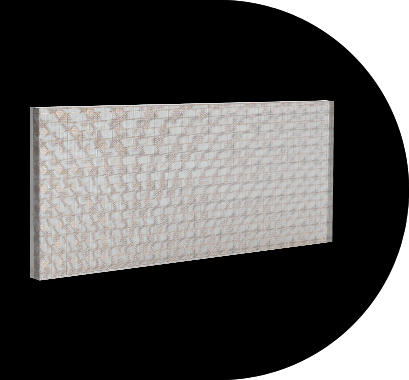
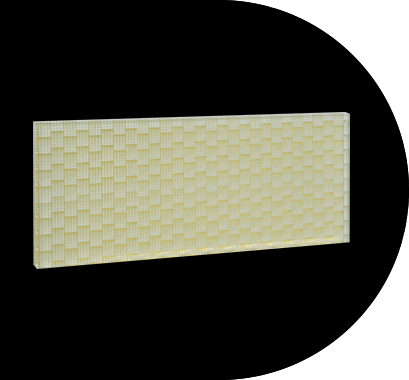
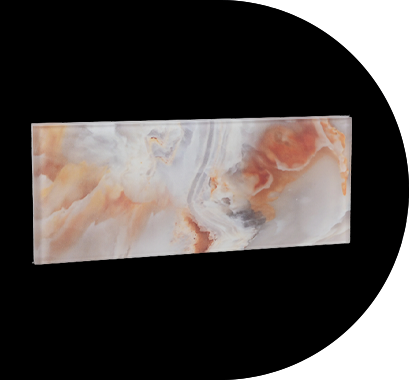
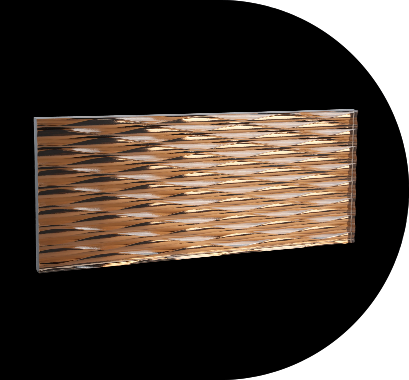
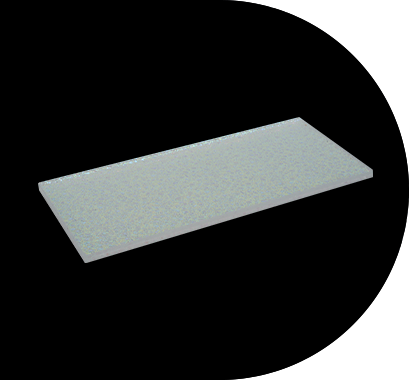
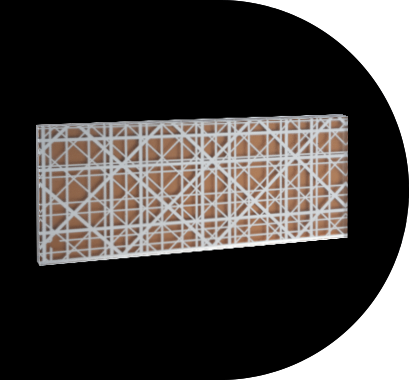
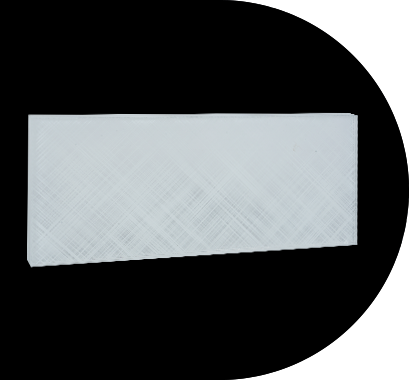
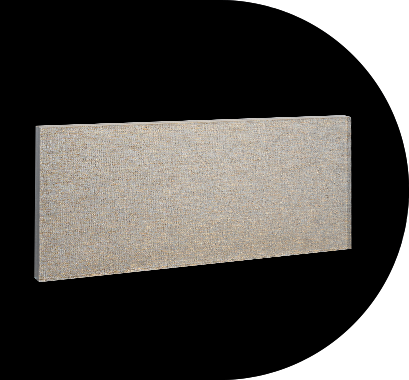
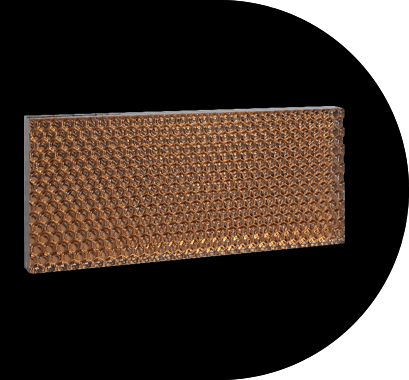
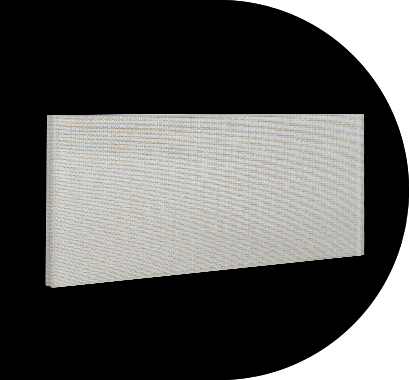
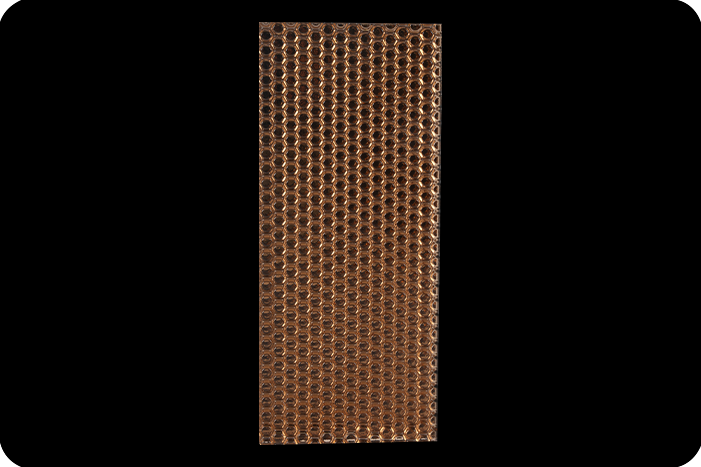
Night pearl colored background wall glass is widely used in interior wall decoration because it combines reflective glass surfaces with pearl-like color layers that create a soft luminous effect. This material is frequently installed as a decorative background wall in living rooms, hotel lobbies, retail spaces, and commercial interiors where visual depth and color variation are desired.
Compared with ordinary painted glass or standard wall panels, night pearl colored background wall glass introduces layered reflections and subtle light diffusion. These characteristics allow interior lighting to interact with the surface, producing visual changes depending on viewing angle and surrounding illumination.
The result is a decorative wall surface that functions not only as a background element but also as a design feature capable of enhancing spatial perception, brightness, and interior atmosphere.
Material Composition and Surface Characteristics
Night pearl colored background wall glass typically consists of tempered or laminated glass combined with specialized pearl pigment coatings. These coatings contain micro-particles that reflect and refract light in multiple directions, creating the signature shimmering effect.
Glass Base Structure
The glass panel is generally produced using safety glass technology. Tempered glass increases mechanical strength and impact resistance, while laminated glass improves structural safety for large decorative installations.
Pearl Color Layer
The pearl coating is applied behind the glass surface or between laminated layers. This layer is responsible for producing the color transition effect and subtle glow associated with night pearl finishes.
- Multi-angle light reflection
- Soft metallic color depth
- Smooth reflective surface
- Stable color appearance under indoor lighting
These properties allow the glass panel to act as both a decorative material and a reflective design surface.
Typical Applications in Interior Design
Night pearl colored background wall glass is frequently selected for spaces where the wall surface becomes a focal element. The reflective color layer works particularly well in interiors with controlled lighting systems.
| Application Area | Purpose | Design Benefit |
|---|---|---|
| Living Room TV Background Wall | Decorative focal surface | Enhances spatial depth |
| Hotel Reception Areas | Brand visual feature | Luxury aesthetic effect |
| Retail Stores | Display background | Improves lighting reflection |
| Restaurant Interiors | Decorative wall panels | Creates warm atmosphere |
Interior designers frequently combine this glass with LED light strips or concealed lighting to enhance the pearl reflection effect.
Advantages Compared with Conventional Wall Materials
When compared with materials such as stone panels, wallpaper, or painted surfaces, night pearl colored background wall glass offers several functional and visual benefits.
- Higher surface reflectivity improves indoor brightness.
- Smooth glass surfaces simplify cleaning and maintenance.
- Pearl pigments produce dynamic color changes under different lighting conditions.
- Tempered glass structure increases mechanical durability.
In many interior projects, designers select this material when they want a background wall to visually expand the space. Reflective glass surfaces can create the impression of increased depth, which is particularly useful in apartments, showrooms, and hospitality environments.
Installation and Structural Considerations
Proper installation is important to achieve a uniform appearance and maintain the structural safety of large glass panels. Installation typically involves mechanical fixing systems or structural adhesives designed for decorative glass applications.
Wall Preparation
The wall surface should be flat, dry, and capable of supporting the weight of the glass panel. Any uneven areas may affect panel alignment or reflective appearance.
Panel Layout Planning
Large background walls often consist of multiple glass panels. Careful planning of joint lines and panel size helps maintain visual continuity.
- Measure wall dimensions accurately
- Define panel segmentation layout
- Confirm mounting method
- Install lighting integration if required
A well-planned installation allows the pearl reflection effect to remain consistent across the entire decorative wall surface.
Design Considerations for Lighting and Color Selection
Lighting design significantly influences how night pearl colored background wall glass appears in a finished interior. The reflective pigments respond differently to warm and cool light sources.
- Warm white lighting highlights gold and champagne pearl tones.
- Neutral white lighting enhances silver or gray pearl finishes.
- Indirect lighting creates softer reflections and layered shadows.
For large decorative walls exceeding 3 meters in width, designers frequently combine concealed LED strip lighting with panel segmentation to achieve uniform illumination across the entire glass surface.
By coordinating lighting design, color selection, and panel layout, night pearl colored background wall glass can function as a central visual feature that enhances both architectural space and interior ambiance.
