

+86-571-63780050
+86-18918137728
19941084290
Content
Introduction to Glass Types for Display Cases
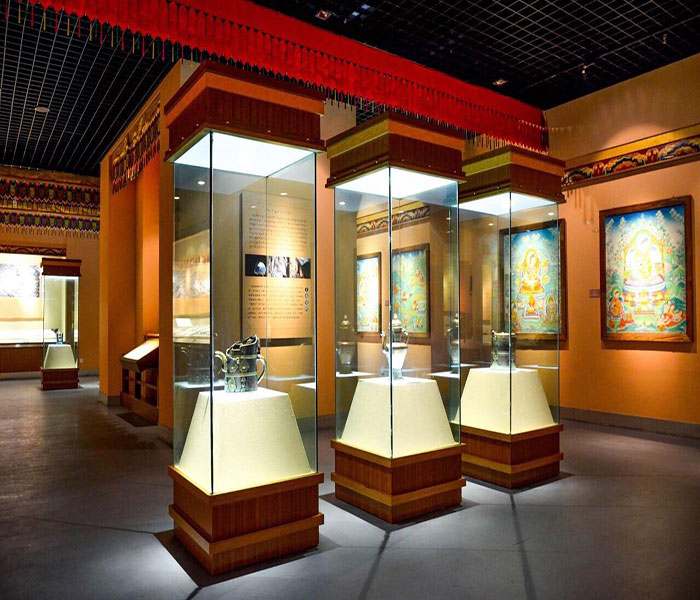
Selecting the right type of glass for display cases is crucial for ensuring safety, durability, and visual clarity. Tempered, laminated, and low-reflective glass each offer distinct benefits and are suited to different applications. Understanding their properties helps in choosing the optimal solution for museums, galleries, retail displays, and other environments where both protection and visibility are essential.
Tempered Glass: Strength and Safety
Tempered glass is heat-treated to increase its strength compared to standard glass. It is highly resistant to impact and, in the event of breakage, shatters into small, blunt pieces, reducing the risk of injury. This makes it ideal for areas with high traffic or where additional safety is required, such as in public museums or retail stores.
Advantages of Tempered Glass
- High impact and thermal resistance
- Breaks into small, safer fragments
- Durable for long-term use in public spaces
Laminated Glass: Protection and Security
Laminated glass consists of two or more layers of glass bonded with an interlayer, usually made of polyvinyl butyral (PVB). This design prevents the glass from shattering into large pieces, holding fragments together and providing enhanced protection against break-ins, accidents, or flying debris. It is commonly used for high-value or sensitive exhibits that require extra security.
Advantages of Laminated Glass
- Holds together upon impact, reducing injury and damage
- Provides sound insulation and UV protection
- Ideal for high-security or fragile exhibits
Low-Reflective Glass: Visibility and Presentation
Low-reflective glass is designed to reduce glare and reflections, allowing viewers to see the contents of display cases clearly from multiple angles. It preserves the true colors and fine details of exhibits while still providing a protective barrier. This type of glass is especially valuable in museums, galleries, and high-end retail environments where visual clarity is paramount.
Advantages of Low-Reflective Glass
- Minimizes glare and reflections
- Maintains color fidelity and detail of exhibits
- Can be combined with tempered or laminated glass for added safety
Comparison of Glass Types
| Feature | Tempered Glass | Laminated Glass | Low-Reflective Glass |
| Safety | High, breaks into small pieces | Very high, holds fragments together | Moderate, primarily visual protection |
| Impact Resistance | High | Very high | Standard, may combine with other glass types |
| Visual Clarity | Clear, standard reflections | Clear, slight reflections | High clarity, minimal reflections |
| UV Protection | Minimal | Integrated with interlayer | Optional or combined with coatings |
Conclusion
Choosing between tempered, laminated, and low-reflective glass depends on the specific requirements of the display case, including safety, security, and visual presentation. Tempered glass offers high impact resistance, laminated glass provides exceptional protection and security, and low-reflective glass ensures optimal visibility. Often, combining these glass types in a single display case can deliver the best balance of safety, protection, and clarity for both valuable exhibits and viewer experience.
