

+86-571-63780050
+86-18918137728
19941084290
Content
- 1 Introduction to Low-Reflective Glass in Display Cases
- 2 Why Low-Reflective Glass Matters
- 3 Key Features of Low-Reflective Glass
- 4 Applications in Museums and Galleries
- 5 Retail and Commercial Display Uses
- 6 Comparing Low-Reflective Glass with Standard Glass
- 7 Tips for Choosing Low-Reflective Glass
- 8 Conclusion
Introduction to Low-Reflective Glass in Display Cases
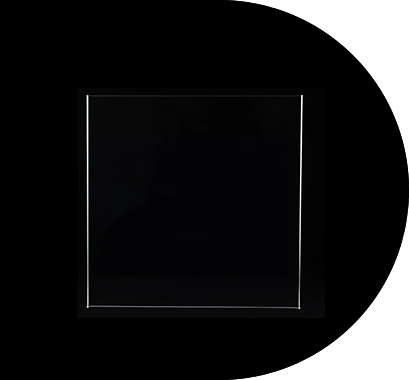
Low-reflective glass has become a critical material in display case design, providing both protection and enhanced visibility for valuable items. By minimizing glare and reflections, this glass allows viewers to see exhibits clearly while maintaining a safe barrier that protects artifacts from physical contact, dust, and environmental damage.
Why Low-Reflective Glass Matters
Traditional glass often causes reflections and glare that can obscure the details of displayed items. Low-reflective glass reduces these visual disturbances, ensuring that viewers can appreciate exhibits from multiple angles. This feature is particularly important in museums, galleries, and retail environments where presentation quality directly affects engagement and perception.

Key Features of Low-Reflective Glass
- Reduced glare and reflections for enhanced visibility.
- UV protection to prevent fading and deterioration of sensitive materials.
- Scratch-resistant surface for long-term durability.
- High optical clarity to maintain true color and detail of exhibits.
- Compatibility with tempered or laminated glass for safety and impact resistance.
Applications in Museums and Galleries
Low-reflective glass is widely used in museums and galleries to display artifacts, paintings, and historical items. Its ability to minimize glare allows lighting to highlight exhibits without creating visual distractions. In addition, the protective properties of laminated low-reflective glass prevent damage from accidental contact or environmental factors, such as dust and humidity.
Retail and Commercial Display Uses
Retail stores and luxury boutiques also benefit from low-reflective glass in their display cases. Products such as jewelry, electronics, and designer items require both visibility and protection. Low-reflective glass ensures that merchandise appears clear and attractive under showroom lighting, while safeguarding it from theft, handling, and scratches.
Comparing Low-Reflective Glass with Standard Glass
| Feature | Standard Glass | Low-Reflective Glass |
| Glare & Reflection | High, can obscure details | Low, clear view from multiple angles |
| UV Protection | Minimal | Integrated, reduces fading |
| Scratch Resistance | Low to moderate | High, durable surface |
| Clarity | Standard, can distort colors | High, maintains true color and detail |
Tips for Choosing Low-Reflective Glass
- Assess the type of exhibit or product and the importance of visual clarity.
- Determine the level of UV protection required for sensitive materials.
- Consider combining with tempered or laminated layers for additional safety.
- Evaluate lighting conditions to maximize the benefits of low-reflective coatings.
Conclusion
Low-reflective glass provides an ideal solution for display cases, balancing protection and visibility. By reducing glare and reflections while maintaining optical clarity, it allows viewers to fully appreciate exhibits or products. Whether for museums, galleries, or retail environments, selecting high-quality low-reflective glass ensures that displays are both visually compelling and secure, enhancing the overall experience for visitors and customers.
