+86-571-63780050
+86-18918137728
19941084290
Content
- 1 What Is Artistic Anti-Smash Laminated Partition Glass?
- 2 The Laminated Construction: Engineering Behind the Safety
- 3 Artistic Surface Treatments That Define the Visual Character
- 4 Ideal Applications: Where Performance Meets Design
- 5 Performance Specifications and Standards Compliance
- 6 Installation Considerations for Partition Glass Panels
What Is Artistic Anti-Smash Laminated Partition Glass?
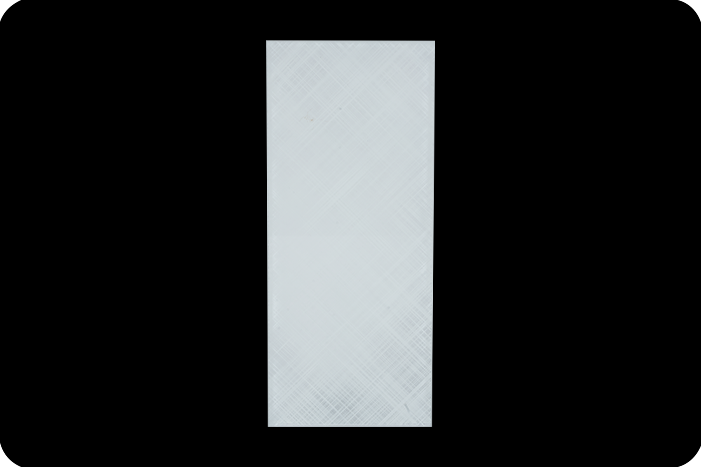
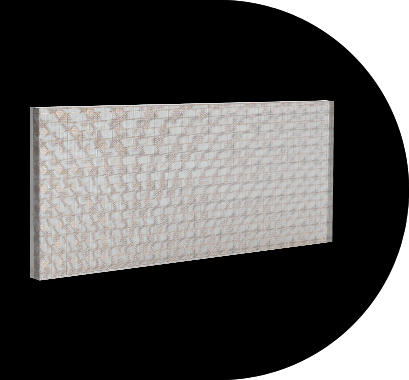
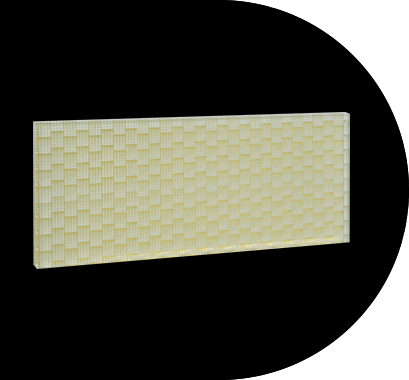
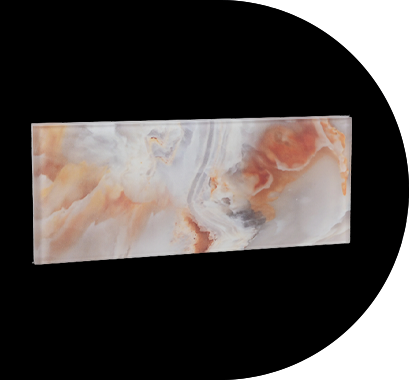
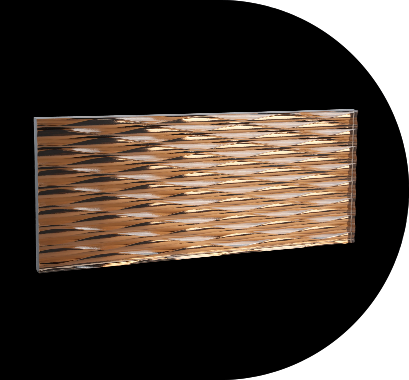
Artistic anti-smash laminated partition glass is a specialized architectural glazing product that unifies three distinct performance dimensions — decorative artistry, structural resilience, and occupant safety — within a single engineered panel. Unlike standard clear or frosted glass partitions, this product category is defined by its subtly textured surface that introduces visual depth, pattern, and aesthetic character to the glass face, transforming what would otherwise be a utilitarian dividing surface into an active design element within the space it occupies. The laminated construction beneath that surface provides the anti-smash performance that makes this glass suitable for environments where both security and appearance are non-negotiable requirements.
The laminated construction at the core of this glass type involves bonding two or more glass plies together with one or more interlayers of polyvinyl butyral (PVB), ethylene-vinyl acetate (EVA), or ionoplast polymer film under heat and pressure in an autoclave process. When impact force is applied to the panel — whether from accidental collision, deliberate attack, or seismic movement — the glass plies may crack but the interlayer holds the fragments in place, preventing the panel from collapsing into dangerous shards. This retained-fragment behavior is the defining safety characteristic that justifies the "anti-smash" designation and satisfies the broken glass safety requirements of building codes in commercial and public environments globally.
The Laminated Construction: Engineering Behind the Safety
The safety performance of artistic anti-smash laminated partition glass is directly determined by the specification of its laminated construction — the glass ply thicknesses, the interlayer material and thickness, and the quality of the autoclave bonding process. Each of these variables contributes to the panel's resistance to penetration, its post-breakage behavior, and its long-term structural integrity under the environmental conditions it will encounter in service.
Glass Ply Configuration
Standard laminated partition glass for interior architectural applications is typically constructed from two plies of annealed or heat-strengthened glass, each between 4 mm and 8 mm in thickness, bonded with a single interlayer. For applications requiring enhanced anti-smash performance — corporate security lobbies, high-value retail environments, or installations subject to elevated impact risk — configurations using heat-strengthened or fully tempered glass plies on the outer faces deliver significantly higher resistance to initial breakage. The tempered outer face must absorb and dissipate the kinetic energy of impact before the interlayer is called upon to retain fragments, so increasing the strength of the outer ply raises the effective threshold at which the anti-smash protection mechanism is triggered.
Interlayer Material Selection
PVB interlayers are the most widely used laminating material in architectural glass and provide reliable fragment retention performance across the standard thickness range of 0.38 mm to 1.52 mm. Thicker PVB interlayers increase both the post-breakage fragment retention capacity and the acoustic performance of the panel, making 0.76 mm and 1.52 mm PVB common specifications for partition glass in noise-sensitive environments. Ionoplast interlayers — marketed under trade names including SentryGlas — provide substantially higher stiffness and post-breakage structural rigidity than PVB, enabling the laminated panel to maintain a degree of load-bearing capacity even after glass ply fracture. For partition applications where residual structural integrity after impact is a design requirement, ionoplast interlayers represent the premium specification choice.
Artistic Surface Treatments That Define the Visual Character
The artistic dimension of artistic anti-smash laminated partition glass is achieved through surface treatment and decoration techniques applied to one or both glass plies before or during the lamination process. These treatments determine the visual texture, light transmission characteristics, privacy level, and decorative pattern of the finished panel, and the range of available options is broad enough to accommodate virtually any design brief from minimalist corporate interiors to elaborately patterned luxury retail environments.
Acid Etching and Sandblasting
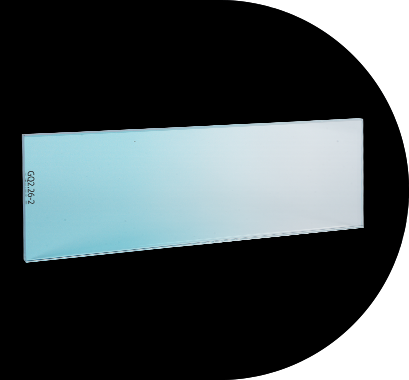
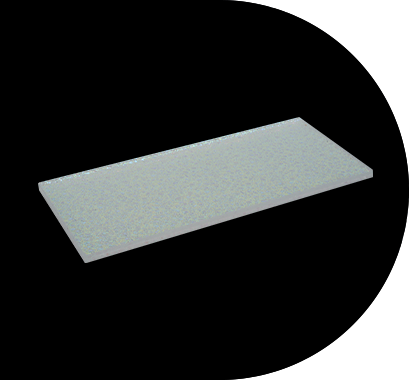
Acid etching and sandblasting are the two most widely used techniques for producing the subtly textured surface that characterizes the artistic finish of high-quality laminated partition glass. Acid etching applies hydrofluoric acid compounds to the glass surface in a controlled process that modifies the surface profile at a microscopic level, producing a uniformly smooth matte finish with a fine, consistent texture that diffuses transmitted light softly across the panel face. Sandblasting directs abrasive particles at the glass surface under controlled pressure to create a rougher, more pronounced texture that scatters light more aggressively and provides a higher level of visual privacy. Both processes can be applied through masks or stencils to create patterned designs in which etched and clear areas form contrasting decorative compositions.
Ceramic Frit Printing
Ceramic frit printing applies mineral-pigmented ceramic compounds to the glass surface by screen printing or digital inkjet processes before the glass is heat-treated. During the subsequent tempering or heat-strengthening process, the ceramic frit fuses permanently into the glass surface, producing colors, patterns, and textures that are physically integrated into the glass and cannot be scratched or peeled away by abrasion or cleaning. This permanence makes ceramic frit printing the preferred decorative technique for artistic partition glass in high-traffic environments where surface durability is a priority alongside visual impact. Custom graphic designs, corporate branding elements, and abstract artistic compositions can all be reproduced at full panel scale with high color accuracy through ceramic frit digital printing.
Interlayer Decoration
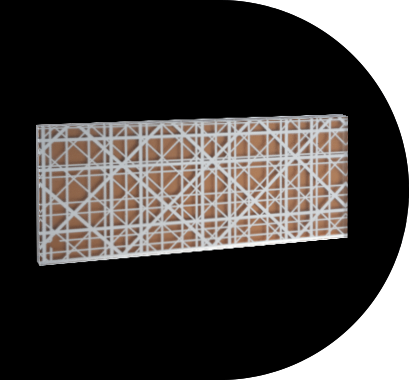
A technically distinct approach to achieving artistic effects in laminated partition glass involves placing decorative elements within the interlayer itself rather than on the glass surface. Fabric, metallic mesh, botanical inclusions, colored film, and printed paper can all be laminated between glass plies using EVA or PVB interlayers, creating panels in which the decorative layer is visually suspended within the glass depth. This construction protects the decorative element from surface damage entirely, as it is sealed within the glass assembly, and produces visual effects — particularly the floating translucency of fabric or botanical inclusions — that surface treatments alone cannot replicate.
Ideal Applications: Where Performance Meets Design
Artistic anti-smash laminated partition glass is ideal for high-traffic environments where both visual sophistication and structural resilience must be delivered simultaneously. The combination of decorative surface quality and certified safety performance opens the product to a wide range of premium commercial and institutional applications that standard glass — either clear safety glass or decorative non-safety glass — cannot serve effectively.
- Corporate lobbies: Reception and lobby environments in corporate headquarters and premium office buildings use artistic laminated partition glass to create a strong first impression while satisfying building code safety requirements for glazed partitions in publicly accessible spaces. Custom frit patterns incorporating brand graphics or abstract architectural motifs transform functional partitions into identity-defining design statements.
- Art galleries: Art galleries require partitions that complement rather than compete with exhibited works, providing visual separation of display spaces without introducing heavy architectural elements. Subtly textured acid-etched or lightly sandblasted laminated glass partitions achieve this balance, offering a refined backdrop that allows artwork to dominate while maintaining the gallery's open, light-filled spatial quality.
- Luxury retail spaces: High-end fashion, jewelry, and luxury goods retailers specify artistic laminated partition glass for fitting room enclosures, display alcoves, and store-within-store partitions that signal premium positioning to customers. The ability to specify custom artistic treatments that align with seasonal visual merchandising or brand aesthetic guidelines makes this product particularly valuable in retail environments where design differentiation is a commercial priority.
- Hospitality interiors: Hotels, restaurants, and spa environments use artistic laminated glass partitions to define spaces — separating dining areas, enclosing private rooms, or screening reception from public circulation — while maintaining the visual openness and light transmission that dense opaque partitions would eliminate. Custom botanical or geometric interlayer designs are particularly popular in hospitality contexts where unique, memorable interior character is a competitive differentiator.
- Healthcare and institutional buildings: Hospitals, clinics, and institutional facilities specify laminated safety glass partitions to meet patient safety and impact resistance requirements in corridors, waiting areas, and consultation room screens. Artistic surface treatments in healthcare contexts serve both functional and therapeutic purposes — softening the clinical character of the environment and contributing to patient comfort and wellbeing.
Performance Specifications and Standards Compliance
Specifying artistic anti-smash laminated partition glass for a commercial project requires verifying that the product meets the applicable safety glazing standards for the jurisdiction and application type. The following table summarizes the principal international standards relevant to laminated safety glass in partition applications:
| Standard | Scope | Key Requirement |
| EN ISO 12543 | Europe — laminated glass specification | Fragment retention, optical quality, durability |
| EN 14449 | Europe — safety glazing conformity | CE marking, performance declaration |
| ANSI Z97.1 | USA — safety glazing materials | Impact resistance classification |
| BS 6206 | UK — impact performance | Class A, B, C impact rating |
| GB 15763.3 | China — laminated safety glass | Fragment retention, bending strength |
In addition to safety glazing standards, acoustic performance ratings expressed as Rw (weighted sound reduction index) values are increasingly specified for partition glass in open-plan office, hospitality, and healthcare environments. Laminated glass with thicker or asymmetric ply configurations and specialized acoustic PVB interlayers achieves Rw values of 38–45 dB, providing meaningful speech privacy and noise reduction between partitioned spaces without requiring the heavier mass of double-glazed systems.
Installation Considerations for Partition Glass Panels
Realizing the full performance potential of artistic anti-smash laminated partition glass requires attention to installation details that are as important as the glass specification itself. The framing system must be designed to accommodate the weight of laminated panels — which are heavier than single-ply glass of the same nominal thickness — and must provide adequate edge cover and edge clearance to prevent stress concentration at the glass perimeter under thermal expansion and building movement. A minimum edge cover of 15 mm and an edge clearance of 3–5 mm filled with compressible setting blocks are standard requirements for laminated glass installations that ensure long-term performance without edge chipping or stress cracking.
Sealant selection at the glazing pocket interface is particularly important for artistic laminated glass panels that incorporate PVB interlayers, as certain silicone sealant formulations are incompatible with PVB and can cause delamination at the glass edge over time. Only neutral-cure silicone sealants tested and certified as compatible with the specific interlayer material used in the panel should be specified. For decorative panels incorporating organic or botanical interlayer elements, UV-stable silicone sealants that prevent yellowing under long-term light exposure are essential to preserve the visual integrity of the installation across its full service life.