

+86-571-63780050
+86-18918137728
19941084290
Content
- 1 Understanding Anti-Deformation Low Reflection Glass Technology
- 2 Where This Glass Delivers the Most Value
- 3 Comparing Standard Glass, Low Reflection Glass, and Anti-Deformation Low Reflection Glass
- 4 Key Factors to Evaluate Before Choosing a Supplier
- 5 Installation and Maintenance Best Practices
- 6 Final Thoughts on Selecting the Right Glass
Understanding Anti-Deformation Low Reflection Glass Technology
Anti-deformation low reflection glass combines two engineering goals in a single product: keeping the glass surface optically clear under strong lighting, and keeping the panel dimensionally stable under heat, pressure, or long-term structural load. Standard glass panels often struggle with one or both of these issues. A panel might reduce glare effectively but warp slightly when exposed to temperature swings, or it might resist bending but produce a distracting mirror-like reflection under bright light. This glass type is engineered to solve both problems at once, making it a preferred material for applications where visual accuracy and physical reliability matter equally.
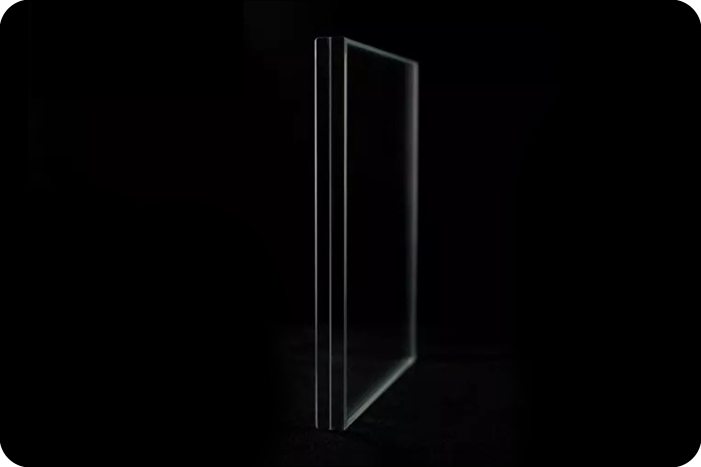
How the Coating Reduces Surface Reflection
The low reflection property comes from a multi-layer optical coating applied to one or both surfaces of the glass. This coating works by controlling how light waves interact with the surface, causing reflected light waves to partially cancel each other out through destructive interference. The result is a significant drop in visible glare, often reducing surface reflectance from around 8 percent on untreated glass down to less than 1 percent. This makes text, images, and fine details behind the glass far easier to see, even under direct sunlight or harsh indoor lighting.
How Structural Reinforcement Prevents Deformation
The anti-deformation aspect typically relies on a combination of tempering, chemical strengthening, or lamination with a rigid interlayer. These processes increase the glass's resistance to bending, sagging, and thermal expansion mismatches. In large-format panels especially, even a small amount of warping can distort the image or create uneven stress that eventually leads to cracking. By reinforcing the internal structure of the glass, manufacturers keep the panel flat and stable across a wide range of temperatures and mechanical loads.
Where This Glass Delivers the Most Value
Because it addresses both optical and structural concerns, this glass type performs well in settings where visibility, durability, and long-term stability are all required at once. Some of the most common use cases include:
- Museum and gallery display cases, where artifacts need to remain visible without glare while the glass must resist warping from climate-controlled environments.
- High-end retail showcases, where product lighting is intentionally bright and reflections can obscure merchandise.
- Touchscreen kiosks and interactive displays, where users need clear visibility from multiple angles.
- Picture framing for valuable artwork or photography, where both preservation and presentation quality matter.
- Architectural glazing in facades exposed to direct sun and fluctuating outdoor temperatures.
- Instrument panels and control room displays, where operators must read information accurately under industrial lighting.
Comparing Standard Glass, Low Reflection Glass, and Anti-Deformation Low Reflection Glass
The table below outlines how these three glass types typically differ across the properties that matter most for buyers.
| Property | Standard Glass | Low Reflection Glass | Anti-Deformation Low Reflection Glass |
| Surface Reflectance | Around 8% | Under 1.5% | Under 1% |
| Thermal Stability | Moderate | Moderate | High |
| Resistance to Warping | Low to Moderate | Low to Moderate | High |
| Typical Cost | Lowest | Mid-Range | Highest |
| Best Suited For | Basic glazing | Display cabinets | Large panels, harsh environments |
Key Factors to Evaluate Before Choosing a Supplier
Not all products labeled as anti-deformation low reflection glass are manufactured to the same standard. Buyers should look closely at several technical and practical factors before committing to a supplier or a specific product line.
- Coating durability: Ask whether the coating is applied through a hard sputtering process or a softer chemical process, since hard coatings resist scratching and cleaning wear far better over time.
- Thickness tolerance: Confirm the manufacturer's tolerance range for panel thickness, since inconsistent thickness across a large sheet increases the risk of localized warping.
- Certified testing data: Request third-party test results for reflectance percentage and flatness deviation rather than relying on marketing claims alone.
- UV and heat exposure ratings: For outdoor or high-heat indoor applications, check documented performance under extended UV and temperature exposure.
- Custom sizing capability: Large installations often require oversized or irregularly shaped panels, so confirm the supplier can produce these without compromising the coating's uniformity.
Installation and Maintenance Best Practices
Handling During Installation
Because the anti-reflective coating is a thin optical layer, it can be more sensitive to scratching during handling than ordinary glass. Installers should use clean cotton gloves rather than bare hands, avoid stacking panels directly on top of one another without protective interleaving sheets, and use suction cups designed for coated glass rather than standard glazing tools. Mounting frames should also allow for slight thermal expansion, since even reinforced glass needs a small amount of movement tolerance to avoid stress cracking over years of temperature change.
Long-Term Cleaning Guidance
Routine cleaning should rely on a microfiber cloth and a mild, ammonia-free glass cleaner. Ammonia-based products can gradually degrade certain anti-reflective coatings, reducing their effectiveness over time. Circular wiping motions with light pressure are generally safer than aggressive scrubbing, and abrasive pads or paper towels should be avoided entirely, since they can introduce fine scratches that scatter light and reduce the coating's clarity benefits.
Final Thoughts on Selecting the Right Glass
Anti-deformation low reflection glass is not a one-size-fits-all product, and the right choice depends heavily on the specific environment it will serve. A museum display case and an outdoor architectural facade face very different stresses, even though both benefit from reduced glare and structural stability. Buyers who take the time to compare coating quality, thermal performance, and manufacturing tolerances will end up with a product that maintains its clarity and shape well beyond the initial installation period, protecting both the visual experience and the long-term investment in the glass itself.
