

+86-571-63780050
+86-18918137728
19941084290
Content
Introduction to Museum Laminated Glass
Museum laminated glass is a specialized type of protective glass used in galleries, museums, and high-end exhibitions. Its primary purpose is to safeguard delicate artifacts, paintings, and displays while maintaining exceptional visual clarity. Unlike standard glass, laminated glass consists of multiple layers of glass bonded together with a high-quality interlayer that absorbs impact and prevents shattering, enhancing both safety and presentation quality.
Enhanced Visual Clarity for Exhibits
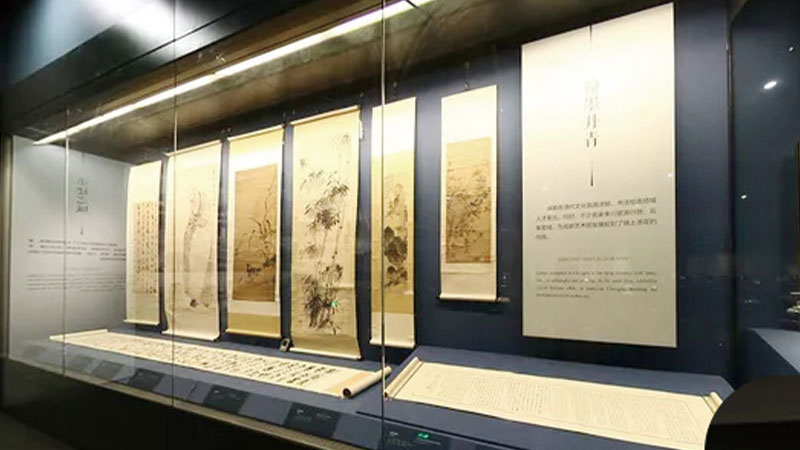
A major advantage of museum laminated glass is its ability to improve display clarity. Standard glass often reflects ambient light, causing glare that can obscure fine details in artworks or historical artifacts. Museum laminated glass incorporates anti-reflective coatings and high-transparency interlayers, minimizing reflections and allowing visitors to appreciate exhibits without visual distractions.
Key visual enhancements include:
- Reduction of surface glare from artificial and natural lighting.
- High optical clarity that preserves true colors and textures of artworks.
- Uniform light transmission that avoids distortion when viewing from different angles.
Protective Benefits Without Compromising Visibility
Museum laminated glass not only enhances clarity but also offers critical protective benefits. The interlayer between glass sheets absorbs impact, reducing the risk of breakage and protecting valuable exhibits from accidental damage. Even when cracked, the glass holds together, preventing shards from harming either the artifact or visitors.
Other protective features include:
- UV filtering to prevent fading and deterioration of sensitive materials.
- Improved resistance to scratches and abrasions, maintaining a pristine display surface.
- Optional fire-resistant interlayers for added safety in high-risk environments.
Applications in Exhibition Design
Museum laminated glass is widely applied in various exhibition setups, offering both functional and aesthetic benefits. It is commonly used in display cases, framed artwork, protective barriers, and standalone panels. Its clarity and safety features allow curators to design exhibits that are visually appealing while providing robust protection for valuable items.
Applications include:
- Glass display cases for jewelry, coins, and delicate artifacts.
- Protective coverings for paintings and historical documents.
- Interactive display barriers that maintain visibility without compromising safety.
Technical Specifications and Considerations
When selecting museum laminated glass, several technical specifications determine its suitability for exhibition purposes. Factors such as thickness, interlayer material, and anti-reflective coating quality directly affect both protection and clarity. Higher-grade interlayers offer superior UV protection and impact resistance, while specialized coatings reduce reflection and enhance visual fidelity.
| Specification | Typical Range | Benefit |
| Glass Thickness | 6mm–12mm | Balances clarity with impact resistance |
| Interlayer Type | PVB, EVA, SGP | Shock absorption and UV filtering |
| Anti-Reflective Coating | Single or double-sided | Minimizes glare and preserves color fidelity |
Conclusion
Museum laminated glass is an essential component in modern exhibition design, offering a combination of superior visual clarity and protective functionality. By reducing glare, enhancing color accuracy, and providing impact resistance, it ensures that both visitors and valuable artifacts are protected. Whether used in display cases, framed artwork, or protective barriers, this specialized glass enables museums and galleries to present their collections in the best possible light, maintaining both safety and aesthetic appeal.
